
A lyric meditation on seasonal grief after losing a child to suicide, this essay reflects on winter, birds, and the fierce consolations of the natural world—where beauty and devastation often arrive together.

“Too Soon, Too Cold: The Wind Doth Blow”–Seasonal Grief After Losing a Child to Suicide
A literary reflection on seasonal grief after losing a child to suicide, shaped by winter, birds, and the difficult beauty of the natural world.
Key Takeaways
- Too Soon, Too Cold: The Wind Doth Blow, a lyric meditation on grief, weather, and the fierce consolations of the natural world, reflects on maternal and seasonal grief after losing a child to suicide, emphasizing the interplay between nature and sorrow.
- The lyrical piece explores how seasons can evoke memories and heighten feelings of absence, especially during moments of beauty.
- Author Beth Brown expresses how grief after such a loss becomes a relentless climate, altering perceptions of life and nature.
- Nature serves as both a source of solace and a reminder of pain, illustrating the complexities of enduring grief.
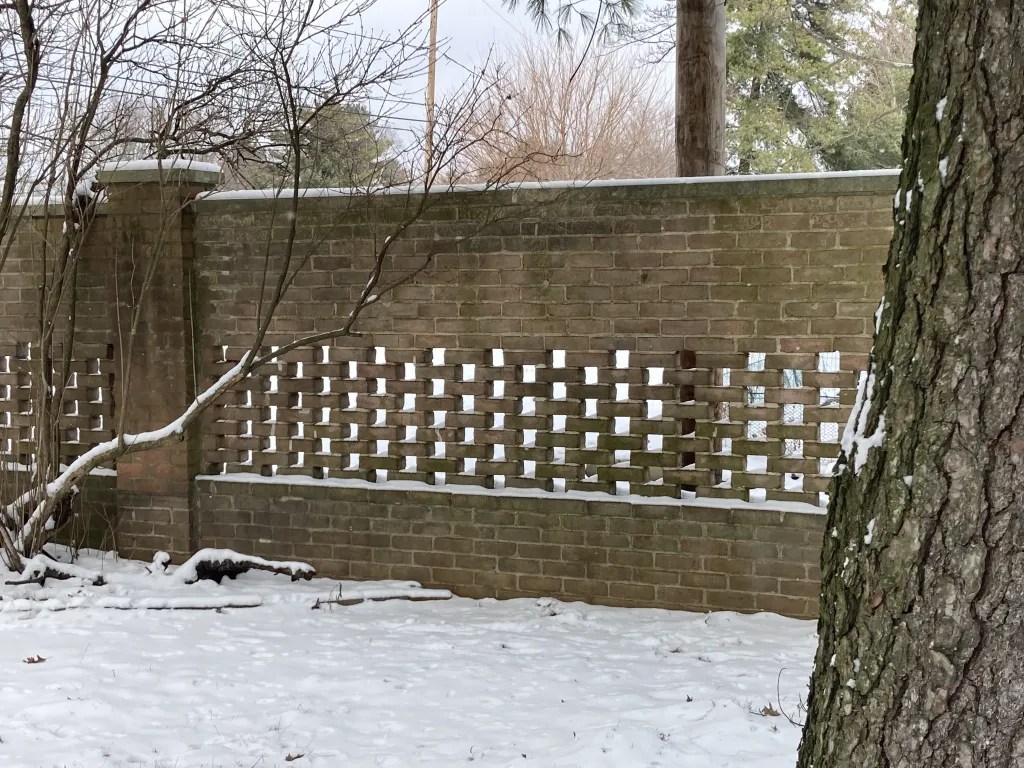
- Ultimately, the piece conveys a commitment to continue seeking beauty and connection despite the ongoing weight of loss. The photographs are from the author’s gardens.
Seasonal grief after losing a child to suicide can make winter, spring, and every turning of the natural world feel both beautiful and unbearable.
My Forever Son

My Forever Son explores the profound grief, hope, and healing that follow the tragedy of losing a child to suicide.
My Forever Son dovetails the author’s journey of descending into deep grief, searching for hope, and finding healing along the way.
Table of Contents
Losing a child to suicide can intensify seasonal grief, making winter, spring, and the natural world feel charged with sorrow, memory, and longing.

“Too Soon, Too Cold: The Wind Doth Blow”
When Grief Turns with the Seasons
Too soon, too cold, the wind doth blow. The phrase has lived in me for years, a private turning of the old rhyme of the north wind and the robin, that slight feathered life borne into weather it did not choose. I have always heard in it more than season. I hear the hard astonishment of grief, the deep knowledge that sorrow can arrive as suddenly as a storm and leave the world afterward unrecognizable.
I hear what enters a parent’s life after the suicide of a child: the bitter air, the sudden dimming, the swift estrangement of the familiar world. What had seemed shelter becomes exposure; what had seemed known becomes strange country. One thinks of wintry kingdoms in literature, of blasted heaths and dark woods, but bereavement is more intimate than metaphor. No parent expects to lose a child. And when that loss comes by suicide, devastation does not merely arrive—it scours. It moves through the landscape like a merciless storm, leaving nothing where it had been before, and leaving nothing afterward untouched.
After the suicide of a child, seasonal grief can make every change in weather feel like both a wound and a witness.
Nature, Winter, and the Language of Loss
Nature has always spoken to me in a double tongue of benediction and warning. It heals, and it does not spare. The seasons are faithful, but they are not tender. Spring may arrive with thaw and birdsong only to turn, almost at once, austere again—a late winter storm settling over the Midwest, driving the temperature below freezing, reminding every living thing what it costs to remain.
In my garden, the robin becomes less symbol than sentence: feather and breath gathered into one small act of continuance, a creature out of nursery rhyme and weather lore, and yet wholly itself. The junco at the pond writes itself briefly against winter’s monochrome, a notation of shadow, stillness, and exactness. The ravens descend with their ancient composure and opportunistic grace, dark syllables crossing the pale air. I look at them and think not of lessons, exactly, but of presences—of how the living world holds beauty and severity in the same open hand. Grief is not the same as nature, but it recognizes something there: its mercies, its violence, its refusal to be made simple.
After losing my son to suicide, sorrow became not an episode but a climate. It is not always visible to others; there are days it moves below speech, as dark water moves under ice, as roots keep their counsel beneath the frozen ground. Yet when the seasons turn, I feel its pressure unmistakably. Autumn thins the light, and I feel him missing from it. Winter strips the world to branch and bone, and I know again what has been stripped from mine. Even spring, with its brave and extravagant insistence on renewal, arrives carrying its own melancholy, because every bud, every returning wing, every lengthening evening opens in a world where my son is not here to behold it.
Hope is real. Renewal is real. But they do not undo devastation. They rise beside it, fragile and persistent, in the same ravaged field, like the first green at the edge of frost.
The Permanent Weather of Child Loss
If you are a grieving parent, you may know this weather of the soul. You may know how beauty wounds by virtue of being beautiful, how a clear morning can sharpen absence, how the turning of the year can feel less like passage than recurrence.
Others may speak of healing as though it were orderly, as though the heart were a field that could simply be replanted and restored to bloom. But grief after suicide resists such tidy agriculture, and love does not consent to reduction. There is a sorrow that becomes permanent. That permanence is not a failure of faith, or resilience, or endurance. It is the shape love takes when it has been broken open and must continue, altered forever, beneath an altered sky.
I return, again and again, to the birds and the trees, to snow-light and bare branches, to the pond in winter and the garden in thaw, not because nature offers easy consolation, but because it keeps faith with truth. It shows me that endurance and vulnerability are often housed in the same slight form. It shows me that what survives does not survive untouched.
The wind doth blow. It blows too soon. It blows too cold. And still there is the robin, held briefly in its own weather of breath and feather; the raven, carving one dark stroke across the sky; the dark water, keeping its unsteady mirror of light. I live now in that tension—between wonder and ruin, resilience and desolation, what remains and what can never be restored. Nothing will ever be the same. Yet I keep looking out the window. I keep listening for wing-beat and weather, for whatever in the broken world still answers. I keep loving my son in this changed and changing world.

Related Posts
Grief Reflections, Nature Writing, Seasonal Grief, Holiday Grief, Suicide Loss




If You Need Immediate Support
Online Directory for Coping with Grief, Trauma, and Distress
After A Suicide Resource Directory: Coping with Grief, Trauma, and Distress
http://www.personalgriefcoach.net
This online directory links people who are grieving after a suicide death to resources and information.
Alliance of Hope for Suicide Survivors
http://www.allianceofhope.org
This organization for survivors of suicide loss provides information sheets, a blog, and a community forum through which survivors can share with each other.
Friends for Survival
http://www.friendsforsurvival.org
This organization is for suicide loss survivors and professionals who work with them. It produces a monthly newsletter and runs the Suicide Loss Helpline (1-800-646-7322). It also published Pathways to Purpose and Hope, a guide to building a community-based suicide survivor support program.
HEARTBEAT: Grief Support Following Suicide
http://heartbeatsurvivorsaftersuicide.org
This organization has chapters providing support groups for survivors of suicide loss in Colorado and some other states. Its website provides information sheets for survivors and a leader’s guide on how to start a new chapter of HEARTBEAT.
Professional Organizations
American Association of Suicidology
suicidology.org • (202) 237-2280
Promotes public awareness, education and training for professionals, and sponsors an annual Healing After Suicide conference for suicide loss survivors. In addition to the conference, they offer a coping with suicide grief handbook by Jeffrey Jackson. This booklet is also available in Spanish.
The Compassionate Friends
compassionatefriends.org • (877) 969-0010
Offers resources for families after the death of a child. They sponsor support groups, newsletters and online support groups throughout the country, as well as an annual national conference for bereaved families.
The Dougy Center
The National Center for Grieving Children & Families
dougy.org • (503) 775-5683
Publishes extensive resources for helping children and teens who are grieving a death including death by suicide. Resources include the “Children, Teens and Suicide Loss” booklet created in partnership with AFSP. This booklet is also available in Spanish.
Link’s National Resource Center for Suicide Prevention and Aftercare
thelink.org/nrc-for-suicide-prevention-aftercar • 404-256-2919
Dedicated to reaching out to those whose lives have been impacted by suicide and connecting them to available resources.
Tragedy Assistance Programs for Survivors (TAPS)
taps.org/suicide • (800) 959-TAPS (8277)
Provides comfort, care and resources to all those grieving the death of a military loved one through a national peer support network and connection to grief resources, all at no cost to surviving families and loved ones.
LOSS
losscs.org
Offers support groups, remembrance events, companioning, suicide postvention and prevention education, and training to other communities interested in developing or enhancing their suicide postvention and prevention efforts.
Crisis Services
988 Suicide & Crisis Lifeline
988lifeline.org
Call or text 988 (press 1 for Veterans, 2 for Spanish, 3 for LGBTQ+ youth and young adults) or chat 988lifeline.org
A 24-hour, toll-free suicide prevention service available to anyone in suicidal crisis. You will be routed to the closest possible crisis center in your area. With crisis centers across the country, their mission is to provide immediate assistance to anyone seeking mental health services. Call for yourself, or someone you care about. Your call is free and confidential.
Crisis Text Line
crisistextline.org
Text TALK to 741-741 for English
Text AYUDA to 741-741 for Spanish
Provides free, text-based mental health support and crisis intervention by empowering a community of trained volunteers to support people in their moments of need, 24/7.
About the Author

Beth Brown is Dylan’s mom, writing from the after—where love keeps breathing even when a child is gone. On My Forever Son, she writes the truth of suicide loss: the seasons that ambush, the ordinary places that turn haunted, and the fierce, enduring bond between mother and son.
She writes to remember Dylan, and to offer companionship to other parents living inside the unanswerable.
Here, she writes grief as it actually lives—shadowed and luminous—through suicide loss, seasonal returning, and the tender, relentless work of remembering.
NEWEST POSTS

Poems From a Mother After the Suicide Loss of Her Only Child
Poems From a Mother After the Suicide Loss of Her Only Child A Brief Summary of This Post In “Poems From a Mother After the Suicide Loss of Her Only Child,” Beth Brown of My Forever Son shares full-length grief poems written after she lost her twenty-year-old son Dylan to suicide. This post offers honest…
Keep reading
Poems for Grieving Parents After Child Suicide Loss | My Forever Son
Poems for Grieving Parents After Child Suicide Loss | My Forever Son Poetic and literary reflections for parents grieving a child’s suicide, and for the people trying to love them well. I write from inside the loss: as Dylan’s mother, as a poet, and as a woman who first found language only after grief had…
Keep reading
The Beat of My Heart Shaped by You: A Grief Poem for My Son
The Beat of My Heart Shaped by You: A Grief Poem for My Son I wrote “The Beat of My Heart Shaped by You” from fourteen years out after losing my son Dylan, age 20, to suicide. This grief poem belongs to My Forever Son as a mother’s witness to love, unanswered questions, and the…
Keep reading
After My Son’s Suicide: Notes From the Long Wilderness of Grief
After My Son’s Suicide: Notes From the Long Wilderness of Grief “Grief does not leave us where it found us. It alters the rooms of the heart, and yet love keeps lighting them.” Where Grief Begins After a Child’s Suicide There are losses that divide a life into before and after, and the suicide of…
Keep reading
The House Remembered Him: A Mother After Suicide Loss
The House Remembered Him: A Mother After Suicide Loss “Grief needs to be witnessed to heal.” — David Kessler After Dylan died, the house called me to supper with his voice. The floorboards near the back hall kept his secret route, the one he used when he came home late and tried not to awaken…
Keep readingSomething went wrong. Please refresh the page and/or try again.

Get new Posts delivered to your inbox.
Discover more from My Forever Son: Grief, Love, and Healing After Child Suicide LossMy Forever Son: Grief and Healing After Losing a Child to Suicide
Subscribe to get the latest posts sent to your email.

One reply on “Too Soon, Too Cold: The Wind Doth Blow”
[…] Too Soon, Too Cold: The Wind Doth Blow […]